
Music Teacher & Guide
Voice / Piano / Guitar / Ukulele
"It’s hard to express what an incredible music teacher we’ve found in Nico"
- Lisa

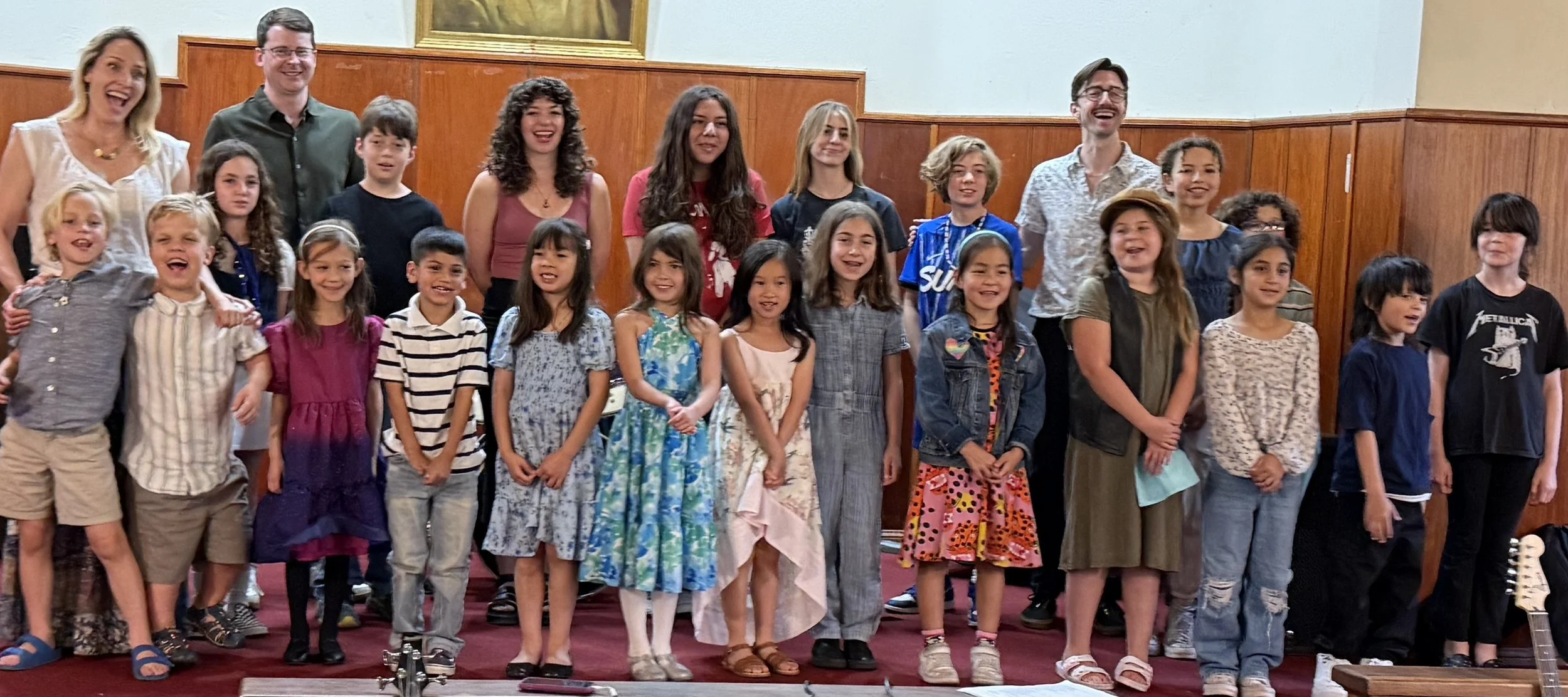
Everyone Has Music in Them
🎵 Practice real musical skills
🎵 Play music you actually love
🎵 Laugh a lot
🎵 Explore creativity and self-expression
Lessons are great for:
🎵 Kids discovering music
🎵 Adults returning to music
🎵 Songwriters
🎵 Total beginners
🎵 Curious creatives
Teaching Philosophy
I’ve been making music my whole life, and teaching it for 20 years. I love helping people discover that they are more musical than they think. I see music as a powerful portal to self-expression, connection, and emotional regulation. My lessons are always fun, but I keep a careful eye on each student’s goals, progress, and personal challenges.
I have a bachelor of arts in vocal performance from UC Santa Cruz, and am a Certified Trauma-Informed Nervous System in the Arts teacher. I’ve learned to treat the nervous system as our primary instrument, no matter what we’re playing. When we feel safe, regulated, and present, music flows much more naturally.
Stay Flexible
A student’s musical journey should follow their curiosity and taste as much as possible. If something we’re working on isn’t inspiring, we can always explore something new. Music is a vast world of instruments, styles, and traditions—there truly is something for everyone. Once we find what lights you up, that’s when the magic starts happening.
Play Together
For many thousands of years, humans have sang and played music together. It’s the most fun, it synchs our nervous systems, and it’s a wonderful way to bond and share meaningful connection. Today we still listen to music together—but so few of us actually play or sing it, or if we do, perhaps we only do so alone. What a terrible loss! So I’m often playing with students, and I encourage them to make music with friends and family whenever possible, even coaching them alongside the student.
Kindness
Learning music can be challenging, and frustration can quickly block progress. So kindness and encouragement are central to my teaching. Even if you haven’t practiced. Even if you’ve played the same passage wrong ten times in a row. I pay close attention to a student’s emotional state, and when tension or discouragement shows up, we slow things down. There is always a way to simplify a challenge until it becomes manageable—and even fun.

